
Coastal Shorebirds
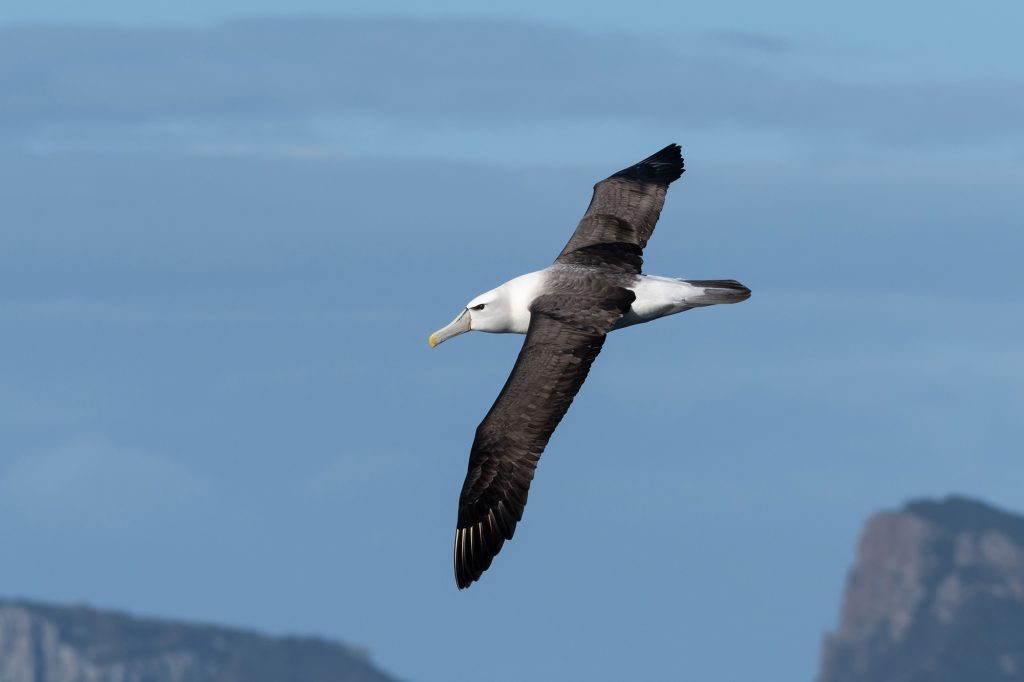
Shorebirds are an important part of Tasmania’s coastal environment. They rely on beaches and dunes for breeding, and on mudflats, estuaries and shorelines for feeding and roosting. Shorebirds are an important part of Sorell’s coastal environment. Within our municipality, they rely on 179 kilometres of shoreline, the internationally recognised 3,334-hectare Pitt Water–Orielton Lagoon Ramsar site, and other important coastal saltmarsh areas, including Carlton River and the Marion Bay saltmarsh cluster.
Places such as Pitt Water–Orielton Lagoon are especially important. This wetland supports resident shorebirds and seabirds and provides critical feeding and roosting habitat for migratory shorebirds every summer. These bird values are nationally and internationally significant and need ongoing protection and careful management.
Shorebirds often nest in places that are easy to miss. Species such as the hooded plover lay their eggs on dry sand and among seaweed above the high tide line, where eggs and chicks are naturally camouflaged. Adult birds may try to distract people away from nests by pretending to have a broken wing or running ahead of them. Temporary fencing is often installed on beaches and wetlands to help protect breeding areas.
These birds face a range of threats, including human disturbance, dogs off lead, cats, marine debris, livestock on foreshores and increasing pressure on coastal habitats. Sea-level rise and other coastal changes are also expected to add further pressure over time.
How you can help
- Walk on the wet sand below the high tide mark, especially during the breeding season.
- Keep your distance from nesting birds and stay outside fenced areas.
- Keep dogs away from nesting areas and on a lead where required.
- Take litter and fishing line home and dispose of waste responsibly.
- Do not drive on nesting beaches or remove seaweed and other beach material.
- By giving shorebirds space and respecting nesting areas, we can help protect some of our most vulnerable coastal wildlife.
For more information please visit: